

Essential Guidelines for Commercial Lawn Upkeep
- Edgard Callejas
- Mar 23
- 4 min read

Maintaining a commercial lawn is a critical aspect of property management that directly impacts the overall appearance and value of the space. A well-kept lawn not only enhances curb appeal but also creates a welcoming environment for visitors and employees. In this post, I will share practical and effective guidelines for commercial lawn upkeep that ensure your outdoor areas remain healthy, attractive, and professionally maintained throughout the year.
Understanding the Importance of Commercial Lawn Upkeep
Commercial lawn upkeep goes beyond simple mowing and watering. It involves a comprehensive approach to lawn care that addresses soil health, pest control, seasonal changes, and aesthetic considerations. Proper maintenance helps prevent common issues such as weed invasion, soil compaction, and disease outbreaks. By investing time and resources into regular upkeep, you protect your property’s investment and promote a positive image.
For example, regular aeration improves soil oxygen levels, which supports root growth and nutrient absorption. Similarly, scheduled fertilization tailored to the grass type and climate ensures the lawn remains lush and green. These practices contribute to a resilient lawn that can withstand heavy foot traffic and environmental stress.

Key Practices for Effective Commercial Lawn Upkeep
To maintain a commercial lawn effectively, it is essential to follow a structured routine that covers all aspects of lawn care. Here are the key practices I recommend:
Regular Mowing
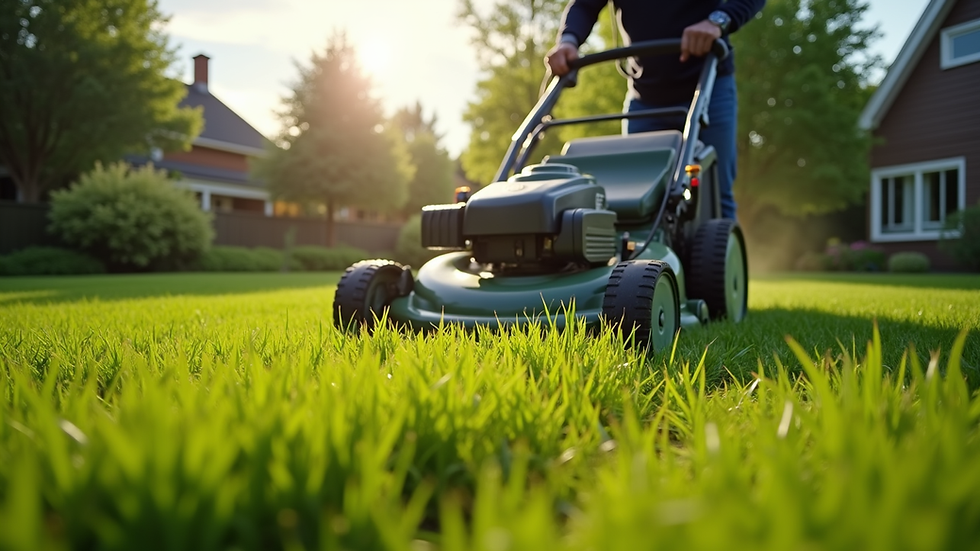
Mowing frequency depends on the grass species and growth rate but generally should be done weekly during the growing season. Keep mower blades sharp to ensure clean cuts, which reduce stress on the grass.
Proper Watering
Water deeply but infrequently to encourage deep root growth. Early morning watering is best to minimize evaporation and fungal diseases.
Fertilization Schedule
Use a balanced fertilizer with nitrogen, phosphorus, and potassium. Apply according to the season and soil test results to avoid over-fertilization.
Weed Control
Implement pre-emergent herbicides in early spring and spot-treat weeds as they appear. Maintaining a dense, healthy lawn naturally suppresses weed growth.
Aeration and Overseeding
Aerate compacted soil annually to improve air and water penetration. Overseed thin or bare areas to maintain uniform coverage.
Pest and Disease Management
Monitor for signs of pests and diseases regularly. Use integrated pest management techniques to minimize chemical use while effectively controlling outbreaks.
Seasonal Cleanup
Remove leaves, debris, and thatch buildup to prevent smothering the grass and reduce disease risk.
By adhering to these practices, you ensure your commercial lawn remains vibrant and functional year-round.
How much do commercial properties pay for lawn care?
Understanding the cost of commercial lawn care is important for budgeting and selecting the right service provider. Prices vary based on several factors including property size, service frequency, and specific maintenance needs.
Small to Medium Properties: Typically, costs range from $150 to $400 per month for basic services such as mowing, edging, and seasonal fertilization.
Large Properties: For extensive grounds, monthly fees can exceed $1,000, especially if additional services like irrigation management, pest control, and landscaping are included.
One-Time Services: Aeration, overseeding, or pest treatments may be charged separately, often between $100 and $300 per service depending on the scope.
It is advisable to request detailed quotes that outline all services included. This transparency helps avoid unexpected expenses and ensures the lawn care plan aligns with your property’s needs.
Seasonal Tips for Maintaining a Commercial Lawn
Each season presents unique challenges and opportunities for lawn care. Tailoring your maintenance routine to the time of year maximizes lawn health and appearance.
Spring: Focus on cleanup, aeration, and applying pre-emergent herbicides. This is the time to repair winter damage and prepare the lawn for vigorous growth.
Summer: Prioritize watering and mowing. Avoid cutting grass too short to reduce heat stress. Monitor for pests and diseases, which are more active in warm weather.
Fall: Fertilize to strengthen roots before winter. Overseed to fill in bare spots and rake leaves regularly to prevent mold.
Winter: Minimize foot traffic on dormant grass. Use this period to plan improvements and schedule equipment maintenance.
Adapting your lawn care schedule to seasonal needs ensures the lawn remains resilient and attractive throughout the year.

Choosing the Right Lawn Care Partner
Selecting a reliable lawn care provider is crucial for consistent and high-quality commercial lawn upkeep. Look for companies that demonstrate:
Experience with commercial properties
Customized maintenance plans
Use of environmentally responsible products
Transparent pricing and clear communication
Positive customer reviews and references
A professional partner will not only maintain your lawn but also provide expert advice and proactive solutions. This partnership supports your goal of transforming outdoor spaces into beautiful, healthy landscapes.
For those interested in professional assistance, I recommend exploring options for commercial property lawn maintenance to find tailored services that meet your specific requirements.
Sustaining a Healthy Lawn for the Long Term
Maintaining a commercial lawn is an ongoing commitment that pays dividends in property value and visual appeal. By following these guidelines and investing in quality care, you create an outdoor environment that reflects professionalism and pride.
Remember to:
Monitor lawn health regularly
Adjust care routines based on weather and growth patterns
Address issues promptly to prevent escalation
Foster relationships with trusted lawn care professionals
With consistent effort and attention, your commercial lawn will remain a vibrant asset that enhances your property’s reputation and enjoyment.
By implementing these commercial lawn upkeep strategies, you ensure your property stands out with a lush, well-maintained landscape that welcomes all who visit.


Comments