

Essential Lawn Aeration Tips for a Healthier Yard

Maintaining a lush, green lawn requires more than just regular mowing and watering. One of the most effective ways to improve your lawn’s health is through aeration. Lawn aeration helps alleviate soil compaction, promotes root growth, and enhances nutrient absorption. In this post, I will share practical insights and proven methods to help you master lawn aeration and achieve a vibrant outdoor space.
Understanding Lawn Aeration and Its Benefits
Lawn aeration involves perforating the soil with small holes to allow air, water, and nutrients to penetrate the grass roots. This process helps the roots grow deeply and produce a stronger, more vigorous lawn. Over time, soil can become compacted due to foot traffic, heavy equipment, or natural settling. Compacted soil restricts root growth and reduces the lawn’s ability to absorb essential resources.
Aeration improves soil structure by:
Reducing soil compaction
Enhancing oxygen flow to roots
Increasing water infiltration
Promoting beneficial microbial activity
Improving nutrient uptake
By regularly aerating your lawn, you create an environment where grass can thrive, resist drought, and recover from stress more effectively.

Practical Lawn Aeration Tips for Optimal Results
To get the most out of your lawn aeration efforts, it’s important to follow some key tips and best practices. Here are several recommendations that will help you aerate your lawn effectively:
Choose the Right Time
The best time to aerate depends on your grass type. For cool-season grasses like Kentucky bluegrass or fescue, early spring or fall is ideal. Warm-season grasses such as Bermuda or zoysia benefit most from late spring to early summer aeration.
Use the Proper Equipment
There are two main types of aerators: spike aerators and core (plug) aerators. Core aerators remove small plugs of soil, which is more effective for relieving compaction. Spike aerators simply poke holes and can sometimes worsen compaction around the holes.
Prepare Your Lawn
Mow your lawn to a shorter height before aerating. This makes it easier for the aerator to penetrate the soil. Water your lawn thoroughly a day or two before aeration to soften the soil, but avoid aerating when the ground is soggy.
Aerate in Multiple Directions
For thorough coverage, aerate your lawn in two directions, such as north-south and east-west. This ensures more holes and better soil penetration.
Follow Up with Overseeding and Fertilizing
After aeration, your lawn is primed for overseeding and fertilizing. The holes allow seeds and nutrients to reach the soil more effectively, promoting faster germination and growth.
Maintain Regular Aeration Schedule
Most lawns benefit from aeration once a year, but heavily compacted or high-traffic areas may require twice yearly aeration.
By following these tips, you can maximize the benefits of aeration and maintain a healthy, resilient lawn.
Is it better to aerate when wet or dry?
One common question is whether to aerate when the soil is wet or dry. The answer is that aerating when the soil is moist but not saturated is best. Moist soil is easier to penetrate, allowing the aerator to remove plugs cleanly without causing damage.
Aerating dry soil can be difficult and may not create effective holes. On the other hand, aerating overly wet soil can lead to soil smearing and compaction, which defeats the purpose of aeration.
To determine the right moisture level, test the soil by digging a small hole or pushing a screwdriver into the ground. If it penetrates easily with some resistance, the soil is ready for aeration.
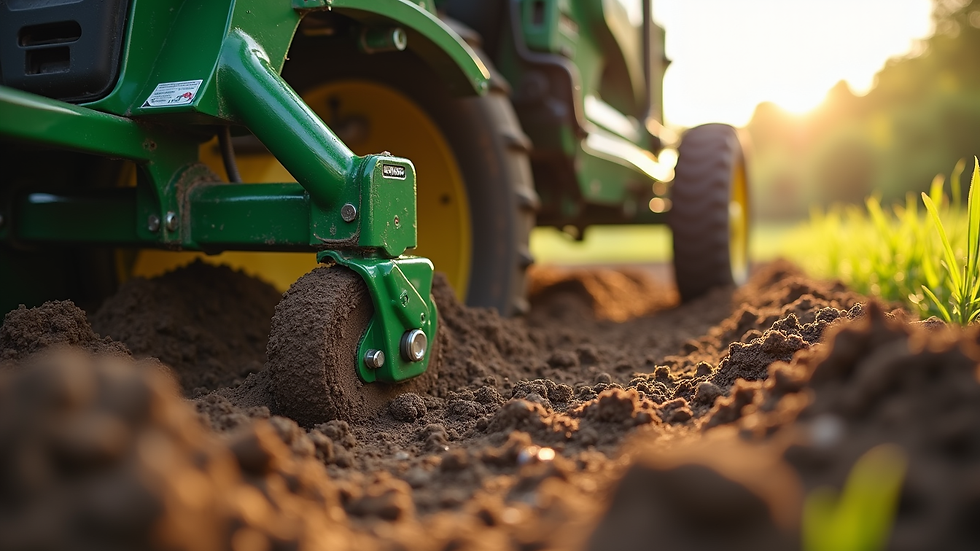
Different Techniques for Lawn Aeration
There are several techniques to aerate your lawn, each with its own advantages. Understanding these methods will help you select the best approach for your lawn’s needs.
Core Aeration
Core aeration is the most effective method. It removes small plugs of soil and thatch from the lawn, reducing compaction and improving air and water flow. This technique is especially beneficial for lawns with heavy clay soil or high foot traffic.
Spike Aeration
Spike aeration uses solid tines to poke holes in the soil without removing plugs. While it can improve surface aeration, it may increase compaction around the holes. Spike aeration is best for lawns with light compaction or as a supplementary method.
Liquid Aeration
Liquid aeration involves applying a solution that breaks down compacted soil particles. This method is less labor-intensive and can be used in conjunction with mechanical aeration. However, it may not be as effective for severe compaction.
Manual Aeration
For small areas or spot treatments, manual aerators such as handheld spike tools or garden forks can be used. This method requires more effort but allows precise control over aeration locations.
Selecting the right technique depends on your lawn size, soil type, and level of compaction. For most homeowners, core aeration performed with a rented or professional machine offers the best results.
Maximizing Lawn Health After Aeration
Aeration is just one step in maintaining a vibrant lawn. To maximize its benefits, consider these post-aeration care tips:
Water Deeply and Regularly
After aeration, water your lawn thoroughly to help the soil settle and support new root growth.
Apply Fertilizer
Use a balanced fertilizer to provide essential nutrients. The aeration holes allow fertilizer to reach the root zone more effectively.
Overseed Thin Areas
Spread grass seed over bare or thin spots to encourage thicker growth. Aeration improves seed-to-soil contact, enhancing germination rates.
Avoid Heavy Traffic
Minimize foot traffic on your lawn for a few weeks after aeration to allow roots to establish.
Maintain Proper Mowing Height
Keep your grass at the recommended height for its species to reduce stress and promote healthy growth.
By combining aeration with these care practices, you can transform your lawn into a lush, green landscape that stands up to seasonal challenges.
Aeration is a critical component of lawn care that can dramatically improve soil health and grass vitality. By understanding the timing, techniques, and follow-up care, you can apply the best lawn aeration techniques to keep your outdoor space thriving year-round. Consistent attention to aeration will help you enjoy a beautiful, resilient lawn that enhances your property’s curb appeal and value.


Comments