

Mastering Lawn Upkeep Methods for a Healthy Yard
- Edgard Callejas
- Mar 23
- 5 min read

Maintaining a lush, green lawn is a rewarding endeavor that enhances the beauty and value of any property. A well-kept yard not only provides a pleasant outdoor space but also contributes to the overall health of your landscape. Achieving this requires understanding the essential lawn upkeep methods and applying them consistently. In this post, I will share practical advice and proven techniques to help you master lawn care and enjoy a vibrant, healthy yard year-round.
Essential Lawn Upkeep Methods for a Thriving Yard
Successful lawn upkeep methods begin with a solid foundation of knowledge about your grass type, soil condition, and local climate. Each of these factors influences how you should care for your lawn. Here are the key components to focus on:
Soil Testing and Preparation: Before planting or maintaining your lawn, test the soil to determine its pH and nutrient levels. This helps you apply the right amendments, such as lime or fertilizer, to create an optimal growing environment.
Proper Mowing Practices: Mowing at the correct height and frequency encourages strong root growth and prevents weed invasion. Avoid cutting more than one-third of the grass blade at a time.
Watering Techniques: Deep, infrequent watering promotes drought resistance and healthy roots. Early morning watering reduces evaporation and fungal diseases.
Fertilization Schedule: Use a balanced fertilizer tailored to your grass type and season. Over-fertilizing can harm your lawn, so follow recommended rates.
Weed and Pest Control: Regularly inspect your lawn for weeds and pests. Use integrated pest management strategies to minimize chemical use while effectively controlling problems.
By mastering these methods, you can create a lawn that is resilient, attractive, and easy to maintain.

Understanding Lawn Upkeep Methods in Detail
To truly excel in lawn upkeep, it is important to delve deeper into each method and understand why it matters.
Soil Health and Preparation
Healthy soil is the cornerstone of a thriving lawn. Conduct a soil test every few years to check for nutrient deficiencies and pH imbalances. Most grasses prefer a slightly acidic to neutral pH (6.0 to 7.0). If your soil is too acidic, applying lime can raise the pH. Conversely, sulfur can lower it if the soil is too alkaline.
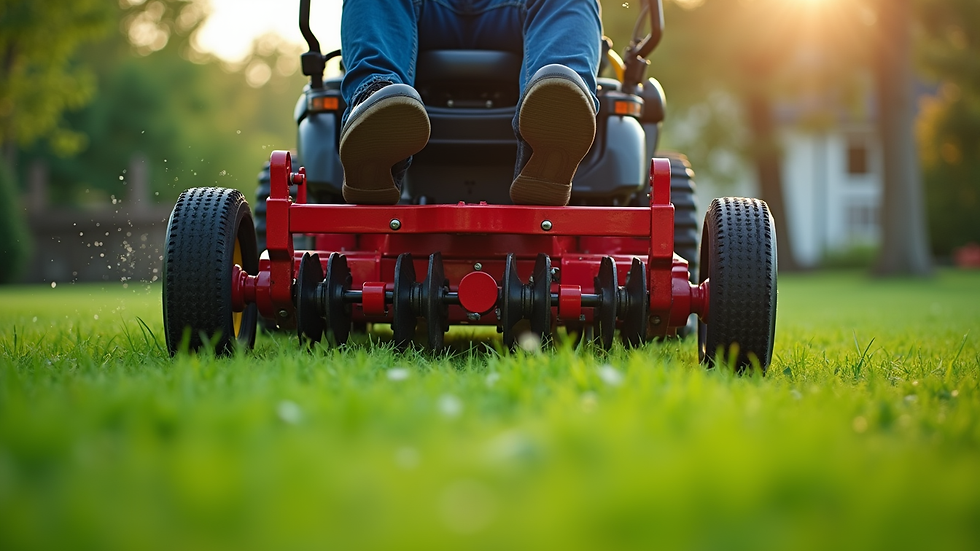
Aerating your lawn annually helps relieve soil compaction, allowing air, water, and nutrients to penetrate the root zone. This is especially important for heavy clay soils or high-traffic areas.
Mowing Best Practices
Mowing is more than just cutting grass. It is a critical cultural practice that influences lawn health. Set your mower blade to the recommended height for your grass species. For example, cool-season grasses like Kentucky bluegrass thrive at 2.5 to 3.5 inches, while warm-season grasses like Bermuda grass prefer 1 to 2 inches.
Keep mower blades sharp to ensure clean cuts, which reduce stress and disease susceptibility. Also, vary your mowing pattern to prevent soil compaction and encourage upright growth.
Efficient Watering
Watering deeply but less frequently encourages roots to grow deeper into the soil, making your lawn more drought-tolerant. Aim to provide about 1 inch of water per week, including rainfall. Use a rain gauge or a simple container to measure.
Water early in the morning, between 4 a.m. and 10 a.m., to minimize evaporation and fungal growth. Avoid watering in the evening, which can leave grass wet overnight and promote disease.
Fertilization and Nutrient Management
Fertilizing your lawn provides essential nutrients like nitrogen, phosphorus, and potassium. Follow a fertilization schedule based on your grass type and local climate. For example, cool-season grasses benefit from fertilization in early spring and fall, while warm-season grasses respond best to late spring and summer applications.
Use slow-release fertilizers to provide steady nutrients and reduce the risk of runoff. Always follow label instructions to avoid over-application.
Weed and Pest Control Strategies
Weeds compete with grass for nutrients and water, while pests can damage roots and blades. Regularly inspect your lawn for signs of trouble. Hand-pull small weed patches or use targeted herbicides when necessary.
For pests, identify the specific insect or disease before treatment. Integrated pest management (IPM) combines cultural, biological, and chemical controls to minimize environmental impact while protecting your lawn.
What is the Best Lawn Care Routine?
Establishing a consistent lawn care routine is key to maintaining a healthy yard. Here is a seasonal guide to help you stay on track:
Spring
Rake to remove debris and dead grass.
Aerate compacted soil.
Apply pre-emergent herbicides to prevent crabgrass.
Fertilize with a balanced formula.
Begin regular mowing as grass starts growing.
Summer
Mow frequently, maintaining proper height.
Water deeply and early in the morning.
Spot-treat weeds and pests.
Avoid heavy fertilization during peak heat.
Fall
Rake leaves and debris.
Aerate and overseed thin areas.
Apply a high-phosphorus fertilizer to promote root growth.
Continue mowing until grass growth slows.
Winter
Minimize foot traffic on dormant grass.
Clear debris to prevent mold and disease.
Plan for spring lawn improvements.
By following this routine, you can address the specific needs of your lawn throughout the year and prevent common problems before they arise.
Tools and Equipment for Effective Lawn Upkeep
Having the right tools makes lawn upkeep easier and more efficient. Here are some essentials:
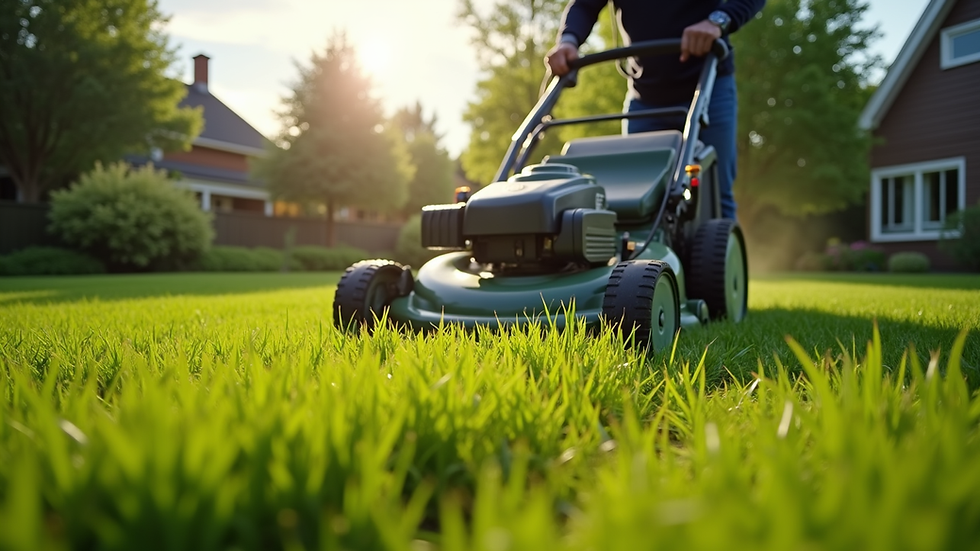
Lawn Mower: Choose a mower suitable for your lawn size and terrain. Regular maintenance, such as blade sharpening and oil changes, is important.
Aerator: Manual or powered aerators help relieve soil compaction.
Sprinkler System or Hose with Timer: Automate watering to ensure consistency.
Rake and Leaf Blower: Keep your lawn free of debris.
Soil Test Kit: Monitor soil health regularly.
Fertilizer Spreader: Apply fertilizers evenly.
Weed Puller or Spot Sprayer: Manage weeds effectively.
Investing in quality tools and maintaining them properly will save time and improve your lawn care results.
Enhancing Your Lawn’s Health with Sustainable Practices
Sustainability is an important consideration in modern lawn upkeep. By adopting eco-friendly practices, you can reduce environmental impact while maintaining a beautiful yard.
Use Organic Fertilizers: These release nutrients slowly and improve soil health.
Compost Grass Clippings: Return nutrients to the soil naturally.
Reduce Chemical Use: Opt for natural pest control methods when possible.
Plant Native Grass Varieties: These are better adapted to local conditions and require less water and fertilizer.
Implement Rainwater Harvesting: Use collected rainwater for irrigation.
These practices not only benefit your lawn but also contribute to a healthier ecosystem.
Taking the Next Step in Lawn Care
Mastering lawn upkeep methods is a continuous journey that requires attention, knowledge, and dedication. By applying the principles outlined here and committing to regular care, you will enjoy a vibrant, healthy yard that enhances your property’s appeal.
For those seeking expert assistance, partnering with a reliable lawn care service can provide tailored solutions and consistent results. Whether you prefer to manage your lawn yourself or collaborate with professionals, understanding the fundamentals of lawn care is essential.
If you want to learn more about effective lawn maintanance strategies and services, consider exploring resources and support from trusted providers who prioritize quality and customer satisfaction.
With the right approach, your lawn can become a source of pride and enjoyment for years to come.

Comments